

Royal Caribbean Cruises: Ships, Routes & Booking Tips
By Vaynto

Loading…
By Vaynto
If you are weighing a Royal Caribbean cruise, the two questions that matter most are which ship fits your travel style and when to book to avoid overpaying. This guide walks through the fleet, the busiest routes, how to pick a cabin, and the timing that tends to unlock the best fares.
Royal Caribbean International has spent the last few years pushing the upper limit of cruise ship size while expanding its lineup of private beach destinations. That combination shapes almost every decision you will make, from the sailing you choose to the cabin you book.
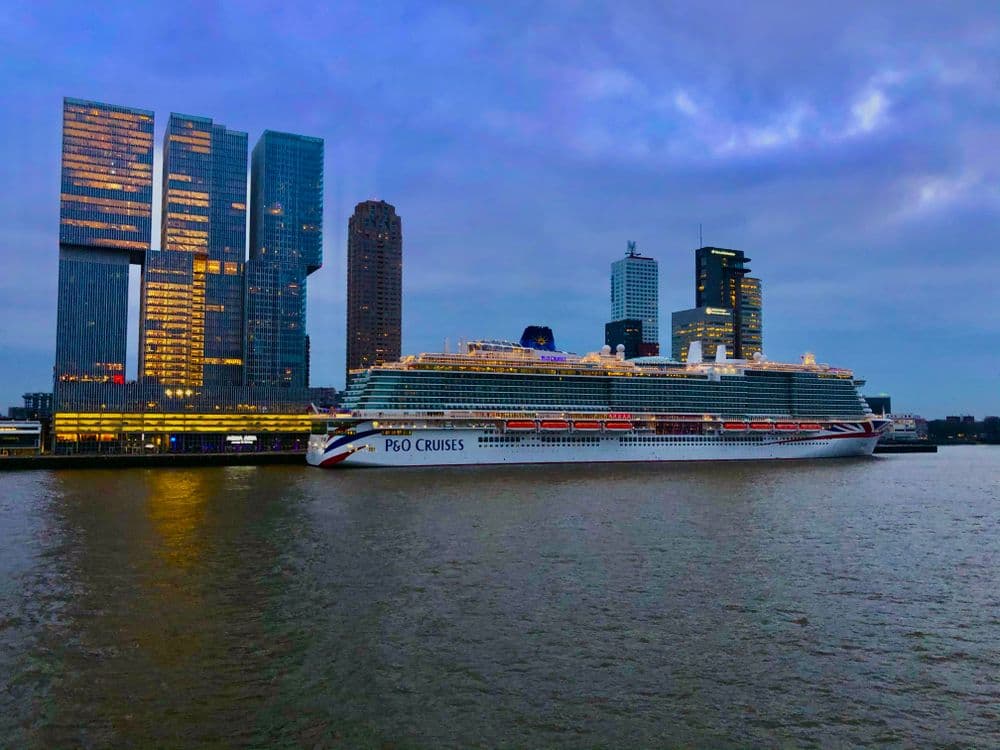
Royal Caribbean International runs a broad fleet of ships organized into classes, from the smaller, more intimate vessels up to the record-setting Icon-class. The parent company, Royal Caribbean Group, operates dozens of ships across its brands and reaches more than 1,000 destinations worldwide, according to its most recent annual filing.
The headline ships are Icon of the Seas and Star of the Seas. Icon of the Seas measures 248,655 gross tons and carries 5,610 passengers at double occupancy, with a maximum capacity of 7,600 and 2,805 staterooms, per ship data compiled by CruiseMapper. Star of the Seas, which entered service in August 2025, is slightly larger at 250,800 gross tons with the same passenger counts, making it the biggest cruise ship in the world by tonnage.
What sets these ships apart is the sheer variety of onboard experiences. Icon-class vessels are organized into distinct neighborhoods, so families with young kids and couples seeking quiet can sail the same ship without stepping on each other. Common signature features across the modern fleet include:
Both Icon and Star run on liquefied natural gas, part of Royal Caribbean's effort to lower emissions compared with traditional marine fuel. If a packed roster of activities appeals to you, the newer and larger ships deliver the most. If you prefer a calmer pace, the smaller classes are worth a look.
Royal Caribbean's core business is the Caribbean and the Bahamas, and its home ports reflect that. Florida dominates. Miami is the base for Icon of the Seas, while Port Canaveral, near Orlando, serves as the home port for Star of the Seas. Galveston, Texas, is a favorite for travelers across the central United States who prefer to drive rather than fly.
The most popular short and week-long sailings usually include a stop at Perfect Day at CocoCay, Royal Caribbean's private island in the Bahamas, which is a major draw for families. Beyond the Caribbean, the line runs seasonal programs that broaden the map considerably. Royal Caribbean calls at hundreds of ports across dozens of countries, so the range is wide.
Common itinerary categories to consider:
If this is your first cruise, a 7 night Caribbean itinerary out of Florida is the easiest to plan and the most forgiving on budget. Booking flights and a pre-cruise hotel near the port ahead of time reduces stress on embarkation day, and our guide on how to find the best hotel near your departure city can help you lock in a convenient stay.
Royal Caribbean sells four broad cabin categories, each with several grades. Understanding the trade-offs saves money and prevents disappointment.
Interior cabins are the most affordable. They have no window, which makes them dark but excellent for sleeping in. They suit travelers who plan to be off the ship at ports or out enjoying the venues most of the day.
Ocean view cabins add a window or porthole. You get natural light and a sense of where you are, without the price jump of a balcony.
Balcony cabins give you a private outdoor space. On scenic routes like Alaska, a balcony changes the whole experience because the views are the point. On the newest ships, a large share of staterooms include a balcony, so availability is strong on those sailings.
Suites sit at the top. They offer more square footage, better locations, and on many ships access to exclusive lounges, dining, and priority services through the Royal Suite Class program.
To choose well, ask yourself three questions. How much time will you actually spend in the cabin? How much does natural light and outdoor space matter to you? And what is your budget after taxes, fees, and gratuities? A port-heavy Caribbean week rarely justifies a balcony, while a glacier cruise almost always does.
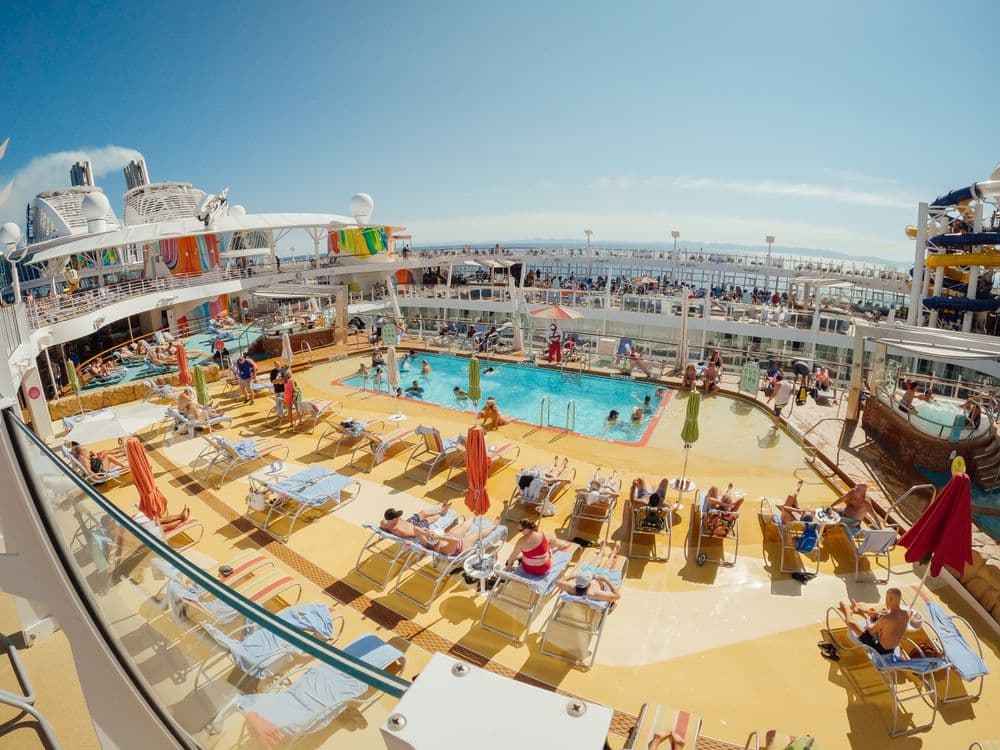
Timing has a real effect on what you pay. The cruise industry calls January through March wave season, and it is traditionally when the strongest promotions appear: onboard credit, reduced deposits, free drink or Wi-Fi packages, and kids-sail-free offers. For 2026, many lines began releasing deals as early as late November, a shift some in the industry now call pre-wave season.
A few practical rules help:
Price tracking pays off. Fares move, and Royal Caribbean sometimes lets you rebook at a lower rate before final payment. A travel search platform like Vaynto can help you line up flights and hotels around your embarkation and disembarkation dates, which is where a lot of hidden cost creeps into a cruise budget.
Royal Caribbean competes most directly with Carnival and Norwegian Cruise Line, and each has a distinct personality.
Royal Caribbean leans toward big-ship adventure. Its newest vessels carry the widest range of activities at sea and put a heavy focus on families and its private destinations. If you want the largest ships and the most to do onboard, it usually leads the category.
Carnival is generally the value-focused option. Its ships tend to be smaller and the vibe more casual and party-friendly, often at a lower entry price. It is a strong pick for budget-conscious travelers and first-timers who want fun over spectacle.
Norwegian built its brand on Freestyle Cruising, which loosens the traditional structure around dining times and dress codes. It appeals to travelers who want flexibility and a broad choice of specialty restaurants.
The right line depends on your priorities. Choose Royal Caribbean when you want the newest, largest ships and a deep activity list. Choose Carnival when price and a relaxed atmosphere top your list. Choose Norwegian when flexible dining and a less regimented schedule matter most.
Start by picking a home port you can reach easily, then set a target sailing date 6 to 12 months out and begin watching fares now rather than waiting for a single perfect promotion. Compare two or three itineraries side by side, price the same cabin category across your candidate dates, and factor in flights and a port-area hotel so you are comparing true trip totals. With that groundwork, you will be ready to book confidently the moment a genuine deal appears.
Star of the Seas is the largest by gross tonnage at 250,800 GT, followed closely by Icon of the Seas at 248,655 GT. Both carry 5,610 passengers at double occupancy and up to 7,600 at full capacity.
Wave season, roughly January through March, is when cruise lines release their most aggressive promotions, including onboard credit and reduced deposits. Booking 6 to 12 months ahead usually balances price and cabin choice best.
Miami and Port Canaveral in Florida offer the most sailings and connections to Royal Caribbean's private destinations. Galveston is a strong option for travelers in the central United States.
If you value natural light, fresh air, and a private outdoor space, a balcony is worth it, especially on scenic routes like Alaska. For port-heavy trips where you are rarely in the room, an interior cabin saves money.