

Koh Samui via Surat Thani, Thailand: Travel Guide
By Vaynto

Loading…
By Vaynto
The simplest route to Koh Samui runs through Surat Thani, the mainland province that owns the island administratively. You can either fly straight onto Koh Samui or reach the coast at Surat Thani and hop a ferry across the gulf. This guide walks through both approaches, then covers when to go, what to see, where to sleep and how to move around once you land.
Surat Thani trips people up because the name refers to a province, a city, an airport and a train station, all slightly apart from each other. Getting the geography straight before you book saves money and hours of backtracking.
Koh Samui sits off the coast of Surat Thani province, and you get there by air or by ferry across the Gulf of Thailand. The island has its own airport, but many travelers fly or take the train to the mainland first, then cross by boat. Both routes are well established and run daily.
The air route is the quickest. Koh Samui Airport receives direct flights from Bangkok and a handful of regional hubs, and the boutique airport sits close to the northern beaches. Flights are short, roughly an hour from Bangkok, though fares tend to run higher than the alternatives because a single carrier dominates the route.
The budget-friendly path combines land and sea. Travelers ride the train, bus or a cheaper flight into Surat Thani on the mainland, then transfer to Donsak pier for the ferry. High-speed catamarans make the fastest crossings, while the larger car ferries take longer but carry vehicles and cost less. Combination tickets that bundle the transfer and boat are sold at the airport and train station.

For a smoother booking experience, Vaynto lets you compare ferry-plus-hotel timing in one place, which matters when your boat lands at a pier far from your room. Line up the arrival pier with your stay and you skip a long island transfer on day one.
The best window for Koh Samui runs from January through June, when the island enjoys its driest and sunniest stretch. October and November bring the heaviest rain, with November averaging 302 mm and February the driest at just 39 mm (Kuoni, 2025). Plan around those extremes and your beach days will hold up.
Koh Samui follows a different rhythm than Thailand's Andaman coast. While Phuket dries out from November, Koh Samui's rainy season lands later, roughly October through December, so the two coasts are rarely wet at the same time. If your dates fall in autumn, the western Andaman islands may be the safer bet.
Packing stays light and practical. Bring reef-safe sunscreen, a light rain layer for sudden showers, sandals that handle both sand and temple visits, and modest clothing that covers shoulders and knees for religious sites. A dry bag protects phones and cameras on boat crossings and longtail day trips.
Our tip: shoulder months like June and September often deliver warm, mostly dry weather at lower prices than the January-to-March peak, so travelers with flexible dates can stretch their budget without gambling on rain.
Koh Samui packs a full range of attractions into 228.7 square kilometers, making it Thailand's second-largest island after Phuket (Agoda, 2025). The east coast holds the busy beaches, the interior hides waterfalls and viewpoints, and nearby islands make easy day trips by boat.
Chaweng is the headline beach, a long ribbon of white sand backed by restaurants and nightlife. Lamai next door is calmer and cheaper, while the north-coast beaches around Bophut and Maenam trade waves for quiet and sunset views. The old fishing quarter at Fisherman's Village in Bophut is worth an evening wander.
The Big Buddha temple, Wat Phra Yai, is the island's signature landmark, a tall golden statue on a small connected islet in the north. Wat Plai Laem nearby adds a striking multi-armed goddess statue and ornate halls. Both are free to enter and photogenic in the late afternoon light.
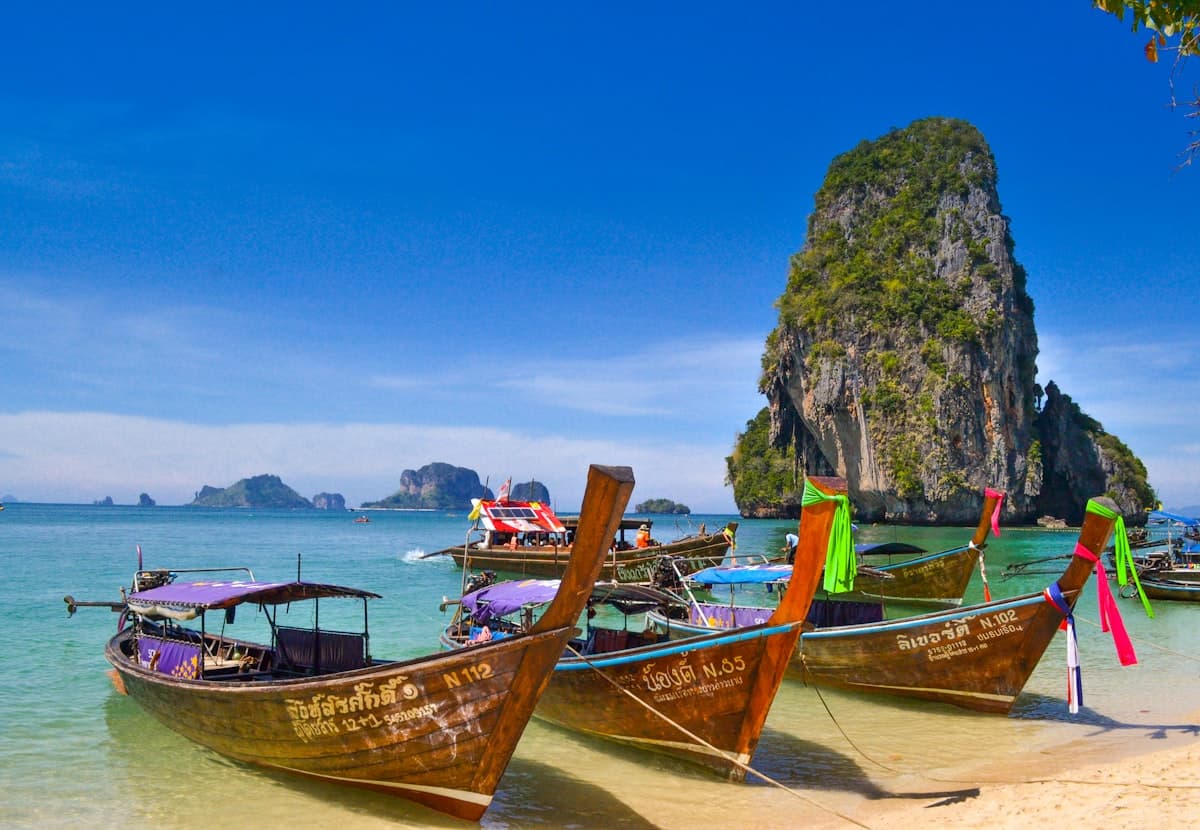
The standout day trip is Ang Thong Marine Park, an archipelago of limestone islands with hidden lagoons and kayaking, reachable by boat tour from the main piers. Closer to shore, the Na Muang waterfalls and the island's viewpoints round out a full itinerary without long travel.
Koh Samui covers every price point, from beachfront hostels to luxury resorts, spread across distinct areas with their own character. Your choice of neighborhood matters as much as your budget, since the island is large and traffic along the ring road adds up.
Budget travelers cluster around Lamai and the southern end of Chaweng, where guesthouses and hostels sit within walking distance of the sand. Rooms here stay affordable and the atmosphere is social, though nightlife noise can carry.
Mid-range visitors do well in Bophut and Maenam on the north coast, where boutique hotels and small resorts offer calm beaches, good food and easier access to the airport. This zone balances comfort and value better than the busier east.
Luxury seekers head for the headlands around Chaweng Noi, Choeng Mon and the private coves of the north, where five-star resorts command sea views and infinity pools. If you want to weigh location against price across these zones, our smart hotel booking guide breaks down how to read distance, reviews and rates before you commit.
Koh Samui runs on a single main ring road, and most travelers get around by rented scooter, songthaew truck-taxi or private car. There is no metered public transit, so understanding the local options keeps costs down and prevents overpaying on the island's inflated taxi fares.
Scooters are the cheapest and most flexible way to explore, and daily rentals are inexpensive across the island. Roads are paved but traffic and rain make riding risky for the inexperienced, so wear a helmet and check your travel insurance before renting. An international driving permit is legally required.
Songthaews, the shared pickup trucks with bench seating, run set loops along the main roads and cost a few dollars per hop. Flag one down, confirm the direction, and pay when you get off. They stop running in the late evening, when metered-free taxis and ride apps take over at higher rates.
For airport runs and pier transfers, book a private minivan or car in advance rather than negotiating on arrival. Fixed transfers cost less than the fares drivers quote curbside, especially when your ferry lands at Lipa Noi or Nathon and your hotel sits on the far side of the island.
Getting to Koh Samui through Surat Thani rewards a little planning, so start by locking in your arrival point, airport or ferry pier, then build your stay and transport around it. Match the pier to your hotel zone, aim for the dry months, and the island's beaches and temples fall easily into place.
Flying into Koh Samui Airport is fastest overall, but if you land at Surat Thani Airport or arrive by train, a high-speed catamaran ferry from Donsak pier is the quickest sea crossing to the island.
No. Surat Thani is the province, not a required stop. Ferries depart from Donsak pier on the coast, and most travelers connect straight from the airport, train station or bus terminal without staying in the city.
January through June offers the driest, sunniest conditions. October and November are the wettest months, with November averaging 302 mm of rain, so avoid late autumn if you want dependable beach weather (Kuoni, 2025).
Most passenger ferries dock at Nathon on the west coast, while some car ferries land at Lipa Noi further south. Pick accommodation and transfers based on your arrival pier to cut travel time.